The Feuds That Broke Twitch — And Accidentally Built Modern Gaming Culture
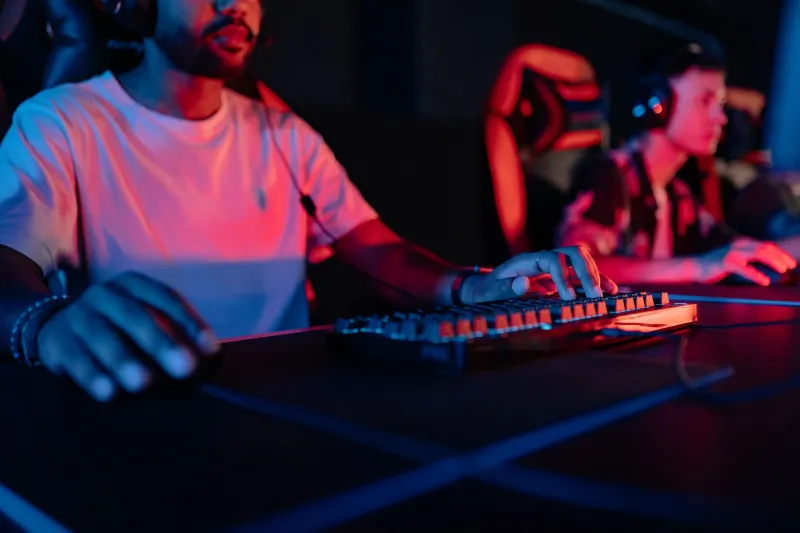
If you've spent any real time in gaming spaces online, you already know that Twitch isn't just a platform — it's a soap opera with a live audience and a donation button. The drama comes fast, it comes loud, and half the time it ends with someone getting clipped, ratio'd, and turned into a meme before the week is out.
But here's the thing: not all of that drama is just noise. Some of those feuds — the ones that had everyone picking sides in their Discord servers and refreshing Twitter at 2 a.m. — actually changed things. They shifted power, set new standards, and forced both creators and platforms to reckon with questions nobody had really asked out loud before.
Let's talk about the ones that actually mattered.
When Streaming Was Still the Wild West
In Twitch's early days, the culture was looser. Smaller communities, fewer rules, and a general vibe of "figure it out as you go." That meant when drama popped off, it was usually contained — streamer vs. streamer beef that stayed within a niche and burned out fast.
But as the platform exploded in size — and as streamers started pulling in life-changing money — the stakes got real. Suddenly, a bad callout could tank a career. A subtweet could go viral. And a full-on feud could pull millions of viewers into the middle of something that started as a spat between two people with webcams.
The Ninja Era and the Clout Wars
You can't talk about Twitch drama without talking about the era when Ninja became the face of the whole operation. His record-breaking Fortnite streams turned him into a mainstream name — magazine covers, ESPN features, the whole thing. And with that kind of visibility came a new type of tension: the gap between legacy streamers who built their audiences the hard way and newcomers who blew up overnight.
Ninja's comments about not streaming with female gamers sparked one of the first genuinely mainstream conversations about gender in gaming spaces. Whether you agreed with him or not, that moment forced a broader audience to engage with questions the community had been arguing about internally for years. It wasn't just Twitch drama anymore — it was cultural commentary, whether anyone planned it that way or not.
The Dr Disrespect Ban Nobody Could Explain
Few moments in Twitch history hit quite like the Dr Disrespect ban in June 2020. One day he was one of the biggest names on the platform. The next, he was gone — no explanation, no official statement, nothing. Just a banned account and a wall of silence from Twitch.
The internet went into full speculation mode. Theories flew everywhere. And what made it genuinely fascinating from a cultural standpoint wasn't just the mystery — it was what it revealed about the relationship between platforms and creators. Here was a guy with millions of followers, major sponsorships, a fully developed on-screen persona, and Twitch could just... erase him. No context owed. No appeal process visible to the public.
Years later, legal proceedings started to shed some light on the situation, but the damage to the mystique of platform loyalty was already done. A lot of creators started thinking differently about building their entire brand on someone else's land.
The Pokimane vs. Fedmyster Fallout
This one got messy in a way that felt almost scripted — except it wasn't. When a Google Doc written by Fedmyster made the rounds detailing his perspective on a falling out with Pokimane, it ignited one of the most intensely debated streamer controversies in recent memory.
What made it stick wasn't the gossip factor (though, yes, people were absolutely here for that). It was the way it opened up real conversations about power dynamics, gender, and accountability inside content creator houses — those group living arrangements where streamers collaborate and collab and, apparently, sometimes implode. The OTV drama forced a lot of fans to look at the parasocial relationships they'd built with these creators and ask: how well do I actually know these people?
xQc and the Gambling Controversy
If there's one feud that had genuine real-world stakes, it might be the broader war that broke out over gambling streams. xQc — one of Twitch's most-watched streamers, consistently pulling massive numbers — became a central figure in the debate over whether platforms should allow gambling content at all.
Other creators, including Mizkif and Pokimane, pushed back hard and publicly. The argument wasn't just about vibes — it was about influence, responsibility, and what happens when millions of viewers, including young ones, watch their favorite streamer spin slots for hours. Twitch eventually tightened its gambling policies. That doesn't happen without the community noise getting loud enough to be impossible to ignore.
What All of This Actually Tells Us
Here's what's interesting when you zoom out: most of these feuds weren't really about the specific beef at the center of them. They were proxies for bigger conversations.
- The Ninja discourse was really about who belongs in gaming.
- The Dr Disrespect situation was really about creator vs. platform power.
- The OTV drama was really about accountability and the illusion of parasocial intimacy.
- The gambling wars were really about ethics and influence at scale.
Twitch drama works the way a lot of pop culture drama does — it gives people a concrete, emotionally engaging story to attach to abstract cultural tensions. It's easier to pick a side in a streamer feud than to articulate a nuanced position on platform governance or gender dynamics in digital spaces. But both things are happening at once.
The Culture That Came Out the Other Side
Gaming content today looks genuinely different than it did ten years ago, and some of that is because of these moments. Platforms are more accountable — or at least more aware that they're being watched. Creators talk more openly about contracts, ownership, and not putting all their eggs in one platform's basket. Audiences are more willing to hold their favorites to some kind of standard, even if that standard is inconsistently applied.
The drama was messy. It was often unfair, emotionally exhausting, and way too dependent on who had the louder fanbase. But it wasn't meaningless. It was a community — a massive, chaotic, wildly parasocial community — working through what it actually wanted to be.
And honestly? That's kind of what culture always does. Just usually not with a live chat running in the corner.