Selling Your Soul, One 'Unfiltered' Post at a Time
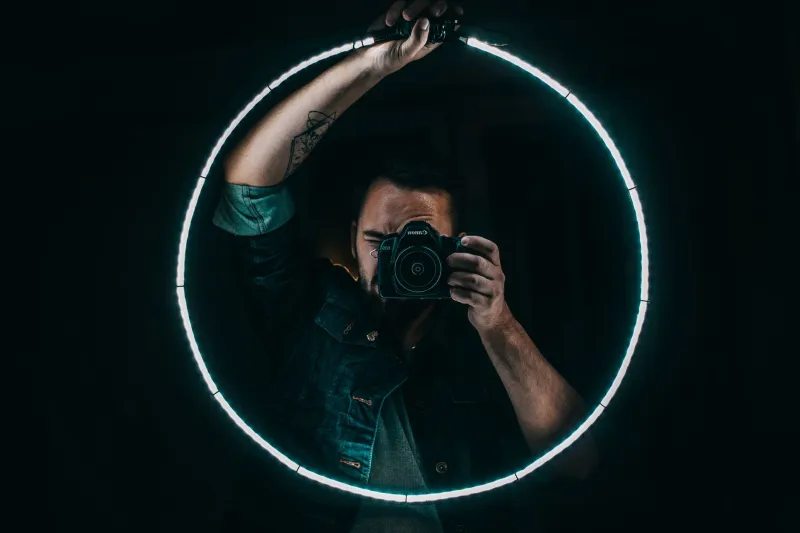
Somewhere between the no-makeup selfie and the tearful Instagram confessional, authenticity stopped being a personal value and started being a content category. It happened gradually, then all at once — the way most cultural shifts do. One day, someone cried on camera and went viral for it. The next day, everyone was crying on camera, ring light perfectly positioned, tears catching the glow just right.
Welcome to the Authenticity Industrial Complex. It's messy, it's monetized, and it's absolutely everywhere.
When 'Real' Became a Revenue Stream
The pivot to "authentic content" didn't come from nowhere. For years, audiences pushed back against the hyper-polished, aspirational content that dominated early Instagram — the flat lays, the impossibly toned bodies, the travel photos that looked more like luxury ads than actual vacations. People were exhausted by perfection. They wanted something that felt human.
Creators and brands heard that loud and clear. So they gave the people what they wanted: messy buns, "honest" product reviews, behind-the-scenes chaos, and confessional-style captions about anxiety, burnout, and bad days. The thing is, all of it was still being produced. Edited. Scheduled. Optimized for engagement.
The irony is almost too on-the-nose. Authenticity, a quality that by definition cannot be manufactured, became one of the most carefully manufactured products on the internet.
The Performance of Vulnerability
There's a specific kind of content that's taken over every platform — let's call it "strategic vulnerability." It's the influencer who shares their mental health struggle alongside a sponsorship for a wellness app. It's the CEO posting about their childhood trauma right before a product launch. It's the carefully timed relationship reveal that just so happens to coincide with an album drop.
None of this is inherently malicious. People are complicated. You can be genuinely struggling and still be building a brand. You can have real emotions and still understand that sharing them publicly serves a purpose. But the line between authentic disclosure and calculated relatability has gotten so blurry that most of us have stopped trying to find it.
What's more concerning is the pressure this puts on everyday people — not just influencers. When the algorithm rewards vulnerability, everyone starts performing it. We share more than we mean to, frame our struggles in digestible narratives, and unconsciously start editing our own lives for an audience that may number in the single digits. We're all influencers now, even if our only followers are coworkers and cousins.
Corporate Realness Is Its Own Nightmare
If individual creators commodifying vulnerability is uncomfortable, brands doing it is something else entirely. Over the last decade, companies have tripped over themselves to seem human. Wendy's got a personality on Twitter. Airlines started apologizing in casual, lowercase prose. Fast fashion brands posted about sustainability while continuing to overproduce at catastrophic rates.
This is authenticity as camouflage. The casual tone, the self-aware humor, the occasional "we messed up" post — it's all designed to make you forget that you're interacting with a corporation whose primary obligation is to its shareholders, not to you. When a brand says "we hear you," what they usually mean is "our social media team is monitoring this." That's not connection. That's crisis management with better copywriting.
And yet, it works. Consumers consistently report preferring brands that feel "real" and "transparent," even when the transparency is entirely surface-level. We know we're being marketed to. We participate anyway. That's how good the performance has gotten.
So What Does Actual Authenticity Even Look Like?
Here's the uncomfortable question at the center of all this: if everything can be curated, can anything actually be authentic?
Maybe. But it probably doesn't look like what's being sold to us.
Real authenticity is largely unspectacular. It's the friend who texts you something embarrassing without a second thought because they're not thinking about how it'll land. It's the artist who makes something weird and uncommercial because that's genuinely what they wanted to make. It's the moment that doesn't get posted because it felt too private, too small, or too unresolved to share.
The things that actually feel authentic tend to resist the formats that make content shareable. They're slow, specific, and don't come with a call to action. They don't perform well because they weren't designed to perform at all.
The Way Forward (If There Is One)
This isn't a call to log off forever or to shame anyone who's built something real by being open online — because that does happen. There are creators who've built genuine communities through honest storytelling, and there's real value in that. The issue isn't sharing. The issue is that the infrastructure we share through — the algorithms, the monetization systems, the engagement metrics — is built to reward performance, not sincerity.
The most radical thing you can do in this environment might just be to notice the difference. To ask yourself, before you post the "unfiltered" photo or write the vulnerable caption: who is this actually for? Is this something I'm sharing, or something I'm selling?
Because there's nothing wrong with building a brand. There's nothing wrong with being open about your life. But calling it authenticity when it's actually strategy doesn't make it more real. It just makes the whole performance harder to see through.
And the thing about a mirror that's been polished to look like a window — eventually, you start to see your own reflection staring back.