Escape from the Feed: How Niche Online Spaces Became the New Cultural Underground
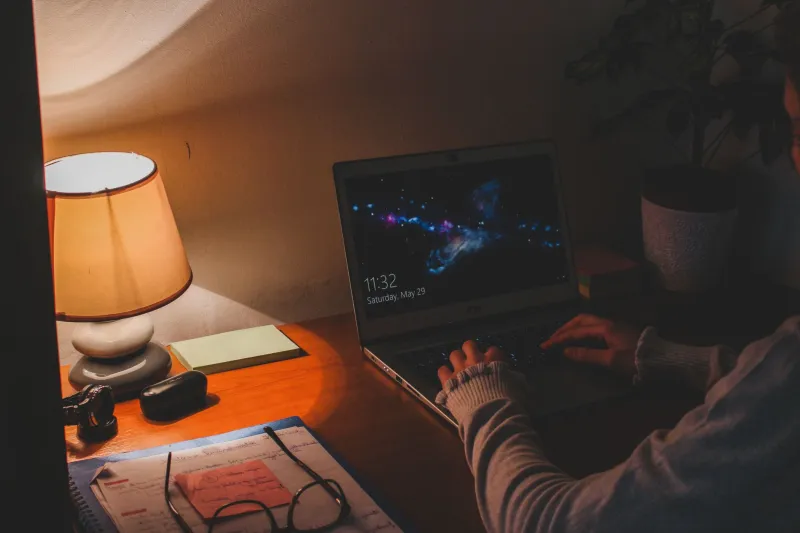
There's a moment most heavy social media users know well. You open Instagram or TikTok looking for something — you're not even sure what — and forty-five minutes later you've watched seventeen videos, none of which you asked for, and you feel vaguely worse than when you started. The feed delivered content. It just didn't deliver anything that felt real.
For a lot of Gen Z users, that feeling reached a tipping point. And instead of logging off entirely, they went somewhere else. Somewhere the algorithm couldn't follow.
The Algorithm Stopped Feeling Like a Friend
For years, recommendation engines were sold to us as a kind of digital best friend — something that got you, that knew your taste better than you did. And honestly? For a while, it kind of worked. But somewhere between the fifteenth sponsored post and the hundredth piece of content engineered specifically to provoke a reaction, the illusion cracked.
Algorithm fatigue is real, and it runs deeper than just annoyance at ads. It's the creeping sense that everything you're seeing has been pre-selected, pre-sanitized, and pre-optimized for maximum reach. Culture filtered through an engagement metric starts to feel less like culture and more like wallpaper. Loud, colorful wallpaper designed to keep your eyes moving but never actually stop you in your tracks.
Gen Z, a generation that grew up inside these platforms, spotted the machinery faster than anyone. And their response wasn't to unplug — it was to build something different.
Where Did Everyone Go?
The answer isn't one place. It's many small ones.
Discord servers built around hyper-specific interests — not just "music fans" but fans of a single obscure producer's back catalog. Subreddits so niche they have fewer than ten thousand members but post daily with a level of depth and sincerity that makes mainstream entertainment coverage look shallow. Private group chats. Substack comment sections. Forums that look, aesthetically, like they were built in 2009 — and that's kind of the point.
These spaces share a few things in common. They're harder to stumble into. They reward actual participation over passive scrolling. And critically, they don't have a recommendation engine deciding what rises to the top based on what generates the most outrage or the most dopamine.
In a Discord server for, say, a niche music genre or an indie game community, the conversation isn't curated by an invisible hand. What gets attention is what the people in the room actually care about. That's a small but profound difference.
Authenticity Isn't a Buzzword Here — It's the Whole Point
One word keeps coming up when people describe why they prefer these smaller spaces: authentic. Which, yes, is a word that's been run so far into the ground by brand marketing that it barely means anything anymore. But in this context, it points to something specific.
In a niche community, you can't really fake it for long. There's no follower count to hide behind. No algorithm to boost you into someone's feed because you used the right hashtag. You either know your stuff, contribute something real, or you quietly fade out. The barrier to credibility is participation, not performance.
For younger users who've grown up watching influencer culture — where authenticity is literally a content strategy — that distinction hits different. There's something genuinely refreshing about a space where no one is trying to build a personal brand. Where the point is just... talking about the thing you love with people who also love it.
What This Means for How Culture Actually Gets Made
Here's where it gets interesting for anyone watching the broader cultural landscape: the underground has always fed the mainstream. Trends, sounds, aesthetics, slang — they almost never start at the top. They percolate up from the weird, small, passionate corners before someone packages them for mass consumption.
What's different now is the speed and the visibility of that pipeline. A micro-community on Discord can birth an aesthetic that shows up on runways eighteen months later. A niche subreddit can develop a critical vocabulary for a genre that eventually shapes how mainstream critics write about it. The underground still feeds the surface — it's just doing it faster and with more self-awareness than ever before.
But there's a tension there. The moment a niche community gets "discovered," its character often changes. The influx of casual users, the arrival of brands trying to seem cool, the algorithm eventually learning to surface its content — all of it can erode the exact thing that made the space feel worth being in. It's a cycle as old as subculture itself, just playing out at internet speed.
The Feed Isn't Going Anywhere — But It's Not the Whole Story Anymore
None of this means TikTok is dying or that Instagram is about to empty out. Mainstream feeds still dominate in terms of raw numbers, and they're still where a lot of cultural moments first hit critical mass. But their grip on meaning-making — on where people actually feel like they belong and where culture feels genuinely alive — is loosening.
The most culturally engaged young people aren't just passive consumers of whatever the algorithm decides to show them. They're actively building and maintaining the smaller, weirder spaces where the real conversations happen. And that, more than any viral moment, might be the most interesting thing happening in digital culture right now.
So if you've been feeling like the feed just isn't doing it for you anymore — like you're watching culture happen but not actually in it — maybe the move isn't to scroll harder. Maybe it's to find the weird little corner of the internet where your specific flavor of obsession already has a home. It's probably already out there. You just won't find it in your recommendations.