You Didn't Know Them — So Why Does It Feel Like You Lost Someone Real?
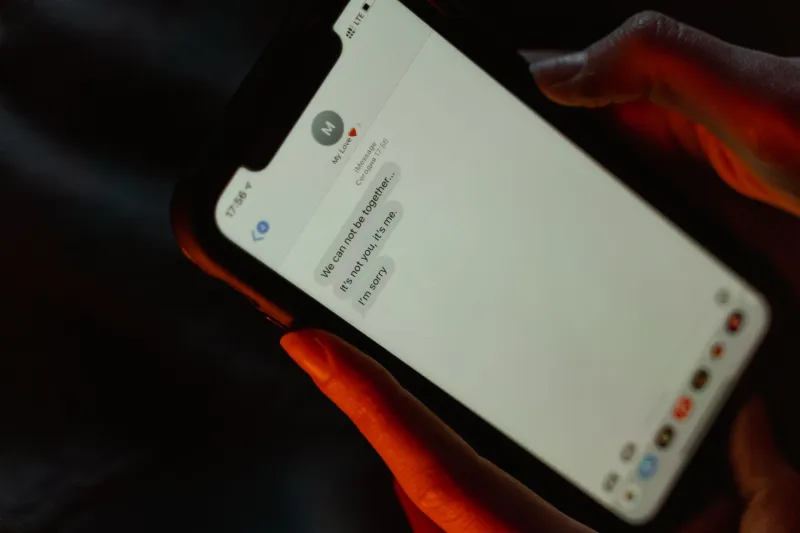
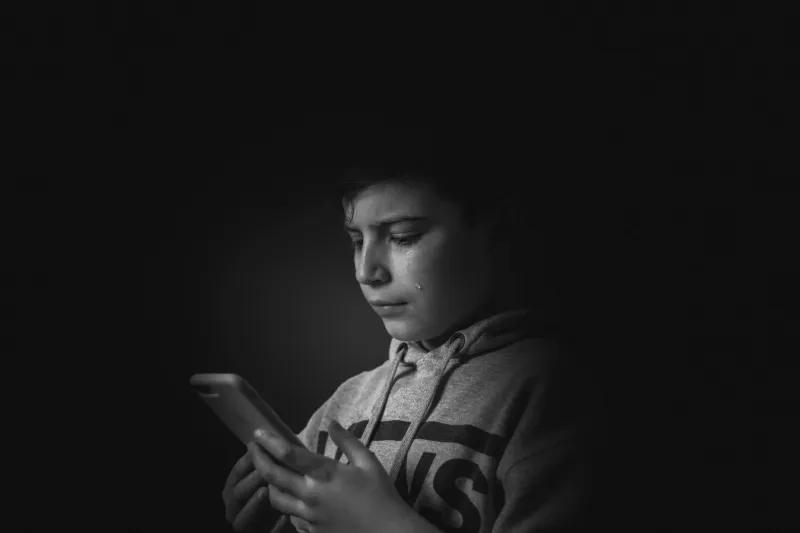
Somebody you've never met posts a breakup announcement, and your stomach drops. A musician you've streamed thousands of times gets caught up in a scandal, and you spend the next two days in a weird fog. A TV host retires and you cry — actually cry — into your coffee on a Tuesday morning.
And then comes the second wave: the embarrassment. Why am I like this? you think. I don't even know them.
Here's the thing, though. That grief is real. It's not a glitch in your emotional wiring. It's a predictable, well-documented response to something we've all quietly built without fully realizing it — a relationship that only runs in one direction.
The One-Sided Bond That Feels Completely Mutual
Psychologists have a name for it: parasocial relationships. The term has been kicking around since the 1950s, when researchers Donald Horton and Richard Wohl noticed that television audiences were developing oddly personal feelings toward on-screen personalities. People talked about hosts like they were neighbors. They worried about them. They felt genuinely affectionate.
That was with television. Now imagine what decades of social media, podcast intimacy, and 24/7 content cycles have done to that dynamic.
When someone posts daily vlogs from their kitchen, shares their therapy breakthroughs on Instagram Stories, or lets you into their tour bus via TikTok, your brain doesn't automatically categorize them as a stranger. It processes the repeated exposure, the emotional disclosure, the familiar face — and files them somewhere closer to known person than random celebrity. The one-sidedness is technically true, but it doesn't feel true. That's the whole trap.
Social Media Didn't Invent This — It Just Turned Up the Volume
Fans have been devastated by celebrity deaths, divorces, and disasters for well over a century. People wept in the streets when Rudolph Valentino died in 1926. Beatlemania wasn't just enthusiasm — it was emotional dependency at a mass scale. This isn't a new human thing.
What is new is how granular it's gotten. You don't just know that your favorite artist is going through a hard time. You know they prefer oat milk lattes, you've seen the apartment they're renting, you've watched them ugly-cry on a livestream at 2 a.m. The intimacy is manufactured, but the feelings it generates are completely authentic.
And then when something bad happens — a cheating scandal, a public meltdown, a sudden death, an abrupt cancellation — your nervous system doesn't distinguish between person I've had 47 real conversations with and person whose voice I've listened to for 600 hours in my car. It just registers: something happened to someone I care about.
The Loneliness Connection Nobody Wants to Talk About
Here's where it gets a little uncomfortable. The intensity of parasocial grief tends to spike in people who are socially isolated, going through transitions, or hungry for connection they're not finding in their immediate lives. That's not an insult — it's just the data.
And right now? Most of us are at least a little bit all three.
The pandemic reshuffled social lives in ways we're still sorting out. Remote work cut off the ambient human contact that most people didn't even realize they were relying on. Friendship, for a lot of adults, has quietly become harder to maintain and even harder to build from scratch. The parasocial world — podcasters, streamers, YouTubers, athletes, musicians — stepped into that gap without anyone really planning it.
When Taylor Swift drops an album that sounds like it was written directly about your last relationship, that's not an accident. When your favorite creator says you guys feel like family to me, that's not just content. Your brain hears it and responds accordingly. The connection feels genuine because the emotion behind it, on your end, genuinely is.
So What Happens When It All Falls Apart?
The grief cycle of a parasocial loss is surprisingly similar to the real thing. Denial — wait, what? That can't be right. Bargaining — maybe the screenshots are fake, maybe there's context we're missing. Sadness. Anger. And eventually, a weird kind of acceptance that leaves a small but real hole in your daily routine.
What makes it messier is the social permission problem. If a friend goes through a breakup, you can show up with snacks and bad reality TV. But if you're devastated that two celebrities split up, or that a comedian you loved turned out to be deeply problematic, you're mostly expected to process that quietly and maybe a little ashamedly. There's no social script for it.
Which means a lot of people end up carrying around a low-grade sadness they don't know how to name, let alone talk about.
It's Not Pathetic — But It's Worth Paying Attention To
None of this is meant to make you feel bad for having feelings about people you've never met. Parasocial relationships can genuinely enrich your life. They can introduce you to ideas, make you feel less alone, give you a sense of community with other fans. At their best, they're a real and meaningful part of how culture works.
But the hangover — that specific ache when the illusion cracks — is worth sitting with for a second. Not to shame yourself, but to ask what it's pointing at.
Are you getting enough of the real thing? Not in a put down your phone and go touch grass way, but genuinely — do you have people in your physical or digital life who actually know you back? Because that's ultimately what the parasocial world can't give you, no matter how good the parasocial relationship feels. The care only flows one way.
The grief is real. The relationship was real, in its own lopsided way. But the hangover is also a signal — a small, insistent one — that you might be craving something that no amount of content can fully replace.
And that's not embarrassing. That's just human.