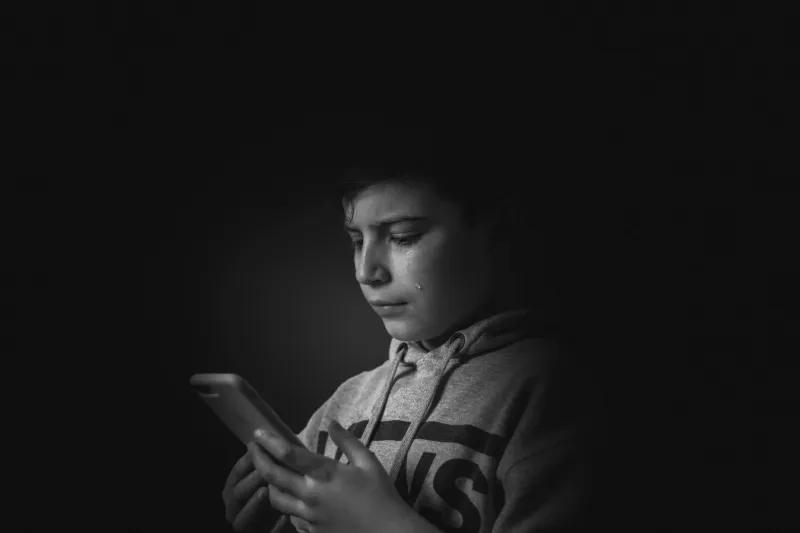
When Your Best Friend Becomes a Stranger: The Grief Nobody Prepared Us For
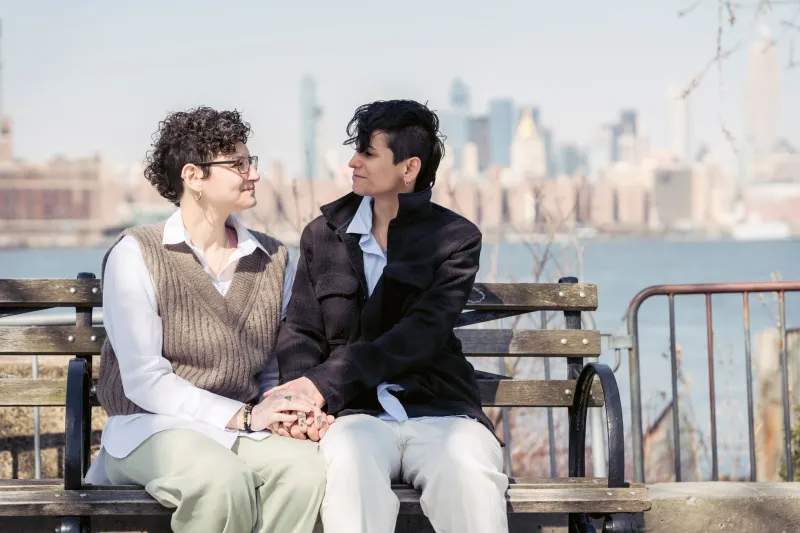
There's a particular kind of sadness that doesn't come with a script. No one sends you flowers. No one asks how you're holding up. Your coworkers don't give you that soft, knowing look across the conference table. But you wake up one morning and realize you haven't talked to your best friend — the person who used to know literally everything about you — in four months. And somehow, neither of you has said a word about it.
Friendship endings are having a cultural moment, and honestly, it's long overdue.
The Breakup We Weren't Allowed to Have
For a long time, the cultural conversation around grief and loss in relationships was pretty much reserved for romantic partnerships. Breakups got the movies, the music, the memes. Divorce got the legal framework and the social sympathy. But when a close friendship quietly dissolved? You were mostly expected to shrug it off. "People drift apart," someone would say, like that explained the ache you felt every time you saw a meme you would've immediately sent them.
That framing is starting to crack. Millennials and Gen Z — two generations who have been unusually vocal about mental health, emotional labor, and the specific ways modern life is exhausting — are bringing friendship loss into the conversation in a way previous generations largely didn't. TikTok videos about "the friend breakup I never got closure from" rack up millions of views. Reddit threads about losing a best friend without any real falling-out have thousands of comments from people who feel seen for the first time.
The grief is real. It always was. We just finally have places to put it.
Why Friendships Are Harder to Hold Onto Now
Here's the thing: maintaining close friendships in your late 20s and 30s is genuinely hard in a way that earlier generations didn't face in quite the same way. Geographic mobility is higher. Work schedules are more chaotic. People are partnering up later, having kids on different timelines, moving across the country for opportunities that didn't exist a decade ago. The infrastructure that used to hold friendships together — shared neighborhoods, consistent routines, physical proximity — has largely been dismantled.
And then there's the digital layer. Social media created this strange illusion of closeness that actually makes the slow fade both easier and more disorienting. You can technically "keep up" with someone by watching their Instagram Stories, liking their posts, occasionally dropping a heart react on a photo. It feels like maintenance. It isn't. What it really does is give you just enough contact to delay the moment you have to acknowledge that the actual relationship has been hollowing out for months.
The slow fade is social media's most underrated casualty. It used to be that if you stopped seeing someone, you actually stopped seeing them — their life moved on out of view and yours moved on separately. Now you get to watch the whole thing in real time while doing absolutely nothing to stop it.
What a Friendship Breakup Actually Feels Like
Ask anyone who's been through one and they'll tell you: it's not always a fight. Sometimes there's no inciting incident, no final text, no door slamming. It's a series of unreturned messages, plans that keep getting postponed until they stop being made, conversations that used to feel effortless suddenly requiring effort neither person can seem to find. And then one day you realize the friendship has already ended — it just didn't tell you when it happened.
That ambiguity is part of what makes it so hard to process. Romantic breakups, for all their pain, usually come with a defined moment. A conversation. An ending you can point to. Friendship endings are often more like a fog that slowly rolls in until visibility is zero and you're not even sure when you lost the road.
The grief doesn't follow neat stages either. You might feel fine for months, then get blindsided by a memory — a song you used to drive around listening to together, a restaurant you always said you'd try, an inside joke that now has no one left to tell it to.
The Conversation We're Finally Having
What's changing is that people are naming this experience out loud, and that naming matters. When someone posts about their friendship ending and thousands of people respond with "this is exactly what happened to me," it does something important: it validates that the loss was real, that the grief makes sense, and that you don't have to minimize it just because it doesn't fit into a recognized category of heartbreak.
Therapists are talking about it more openly too. The concept of "disenfranchised grief" — grief that isn't socially recognized or supported — has been around for a while in academic circles, but it's finally filtering into everyday conversations. Friendship loss fits squarely into that category, and acknowledging it as legitimate grief is a genuinely meaningful shift.
Some people are also getting more intentional about having the actual breakup conversation — reaching out to acknowledge the distance, to say "I think we've grown apart and I'm sad about it" rather than just letting things fade. It's uncomfortable. It's also, by most accounts, better than the alternative.
Moving Through It
There's no clean resolution to offer here, because friendship endings rarely come with one. What there is, though, is permission — to feel it fully, to call it what it is, to not rush yourself through grief just because the culture hasn't always made room for this particular flavor of it.
If you've lost a close friend and you've been quietly carrying that around, you're not being dramatic. You're not overreacting. You lost something real, and that deserves to be treated like the loss it is.
The relationship you had with that person — the inside jokes, the 2 a.m. phone calls, the way they knew exactly what you meant before you finished the sentence — that was worth grieving. And if it's any comfort at all: you're definitely not the only one sitting with it.