The Tuesday Afternoon Movie Is America's Last Unsupervised Joy
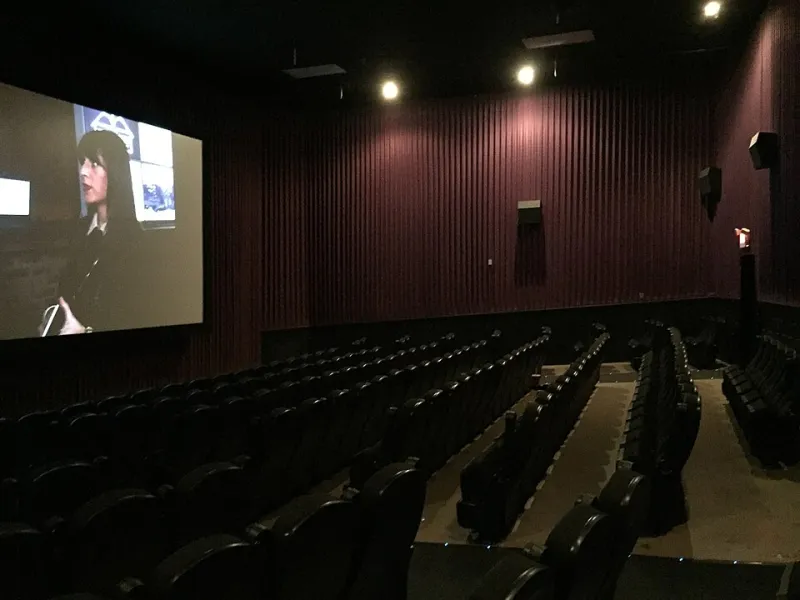
Photo: Famartin, CC BY-SA 4.0, via Wikimedia Commons
There is a specific kind of peace that comes from walking into a movie theater at 1:40 p.m. on a Tuesday. The parking lot is half empty. The lobby smells like popcorn and floor cleaner. The person at the ticket counter looks mildly surprised to see you, but not unhappy. You hand over a few dollars, pick a seat that is nowhere near anyone else, and sit in the dark while the rest of the country is supposed to be doing something useful.
That is the whole appeal. The Tuesday matinee is not a secret, exactly. Everyone knows matinees are cheaper. But in 2026, with remote work still reshaping the American weekday and movie theaters still hungry for bodies, the midweek afternoon show has become something better than a discount. It is a ritual. It is a small act of defiance against the idea that every waking hour should be optimized.
The Theater at 1:40 p.m.
Weekday matinees have their own ecosystem. You will see retirees who have mastered the art of the solo movie. Freelancers taking a break from a project that is not going well. A couple of college students who skipped a lecture and feel guilty in a way that somehow makes the popcorn taste better. Maybe a parent who has finally carved out two hours between school drop-off and pickup. Nobody is there to see and be seen. Nobody is taking a meeting. The room is full of people who have decided, for one afternoon, to be unavailable.
That unavailability is the luxury. Not the ticket price, although the ticket price helps. The real value is the permission to disappear. You cannot answer a Slack message in a movie theater without being a menace. You cannot scroll through your inbox without the screen lighting up the row. For two hours, you are not a worker, a partner, a parent, or a person with a to-do list. You are just someone watching a story.
The Price Is Part of the Pleasure
Let's not pretend the cost is irrelevant. In 2026, a Tuesday matinee can still cost less than a single cocktail in a major city. Some chains have made the discount explicit, with reduced pricing before a certain hour. Independent theaters often have their own versions: cheap afternoon screenings, member deals, or a flat rate that makes a spontaneous decision feel reasonable.
But the cheap ticket is not just about saving money. It changes the stakes. When you pay full price for a Friday night show, you want the movie to be good. You want the evening to justify the babysitter, the parking, the overpriced snack. When you pay matinee prices on a Tuesday, you can take a risk. You can see something weird. You can walk out halfway through if it is not working, although you probably will not, because the empty theater is too comfortable to leave.
The low cost also makes the ritual repeatable. You do not need a special occasion. You need a free afternoon and a willingness to be a little unproductive. That is a different kind of entertainment value than the big Friday night event. It is closer to the pleasure of a long lunch or a walk without a destination. It is not about maximizing the experience. It is about letting the experience be enough.
A Room Full of People Ignoring Each Other
There is something deeply healthy about sitting in a dark room with strangers and not interacting. No small talk. No networking. No performative laughter. Just a shared attention to the screen and a shared agreement to leave each other alone. In a culture that has turned so much of public life into content, the Tuesday matinee is stubbornly analog. You cannot screenshot it. You cannot post your way through it. You can only be there.
That makes it one of the few places left where nobody is performing for anyone. The person two rows ahead is not checking to see if you noticed their outfit. The couple in the corner is not having a loud conversation designed to be overheard. The theater does not care who you are. It only asks that you turn off your phone and stop talking. In 2026, that is a surprisingly generous offer.
How to Do It Right
First, pick a movie you are curious about rather than a movie you feel obligated to see. The Tuesday matinee rewards curiosity. Second, go alone if you can. Not because it is sad, but because it is freeing. You can sit wherever you want. You can change seats if the person behind you is a loud chewer. You can cry at a commercial without explaining yourself.
Third, leave your phone in your bag. Not on silent. In the bag. The point is not to be reachable. The point is to remember what it feels like to be unreachable for a couple of hours. Fourth, do not schedule anything immediately after. The best part of the matinee is the slow walk out into the daylight, blinking like a mole, with nowhere urgent to be.
Why It Won't Last Forever
Nothing this good stays untouched. Theaters are businesses, and businesses eventually notice when a quiet afternoon starts filling up. There may come a day when Tuesday matinees are crowded, priced like Friday nights, and full of people taking photos of their popcorn. But that day is not today. In 2026, the weekday afternoon movie is still one of the last great American luxuries: cheap, quiet, and completely uninterested in your personal brand.
Go while it is still weird. Go while the theater is empty. Go while nobody expects you to be anywhere else. The Tuesday matinee is not just a cheap ticket. It is a reminder that your time can belong to you, even on a Tuesday.