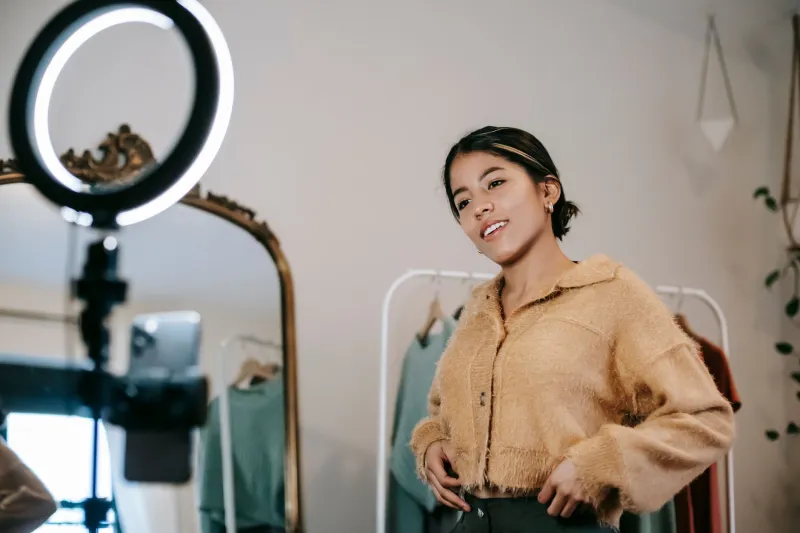
The Making-Of Is the Movie Now: How We Fell in Love with the Story Behind the Story
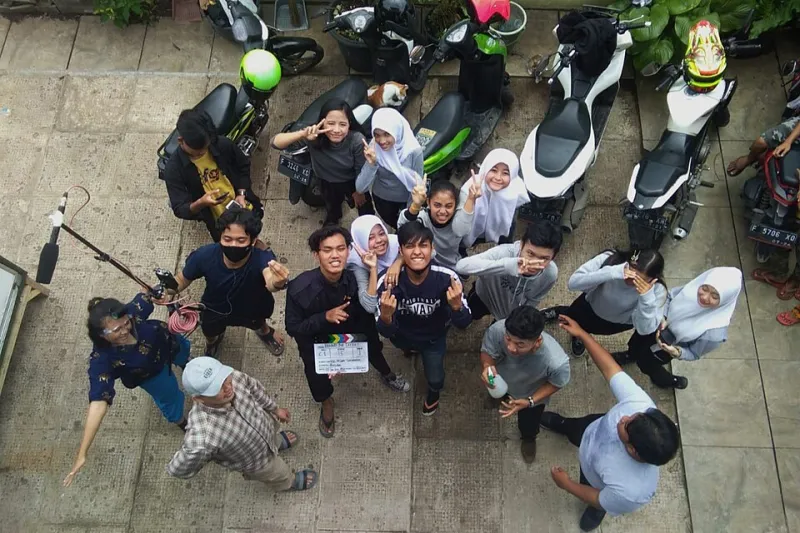
Photo: Ebi Wijaya Archive, CC BY 4.0, via Wikimedia Commons
The Extras Ate the Main Course
There's a particular kind of person who, after finishing a movie they loved, immediately opens YouTube to find the director's breakdown video. Maybe that person is you. Maybe it's definitely you. You watched the film, you felt the feelings, and then — almost reflexively — you went looking for someone to tell you what you just experienced.
This isn't a new impulse, exactly. DVD special features existed for a reason. People bought those two-disc editions specifically for the blooper reels and the forty-five-minute making-of documentary that was, honestly, sometimes better than the film itself. But something has shifted in recent years, and it's shifted hard. The behind-the-scenes content isn't supplemental anymore. For a lot of us, it is the entertainment.
We're talking director's commentaries, deleted scenes with creator explanations, cast table reads posted to YouTube, production vlogs, "how we made this" TikToks, showrunner Reddit AMAs, and the ever-expanding universe of interview content where actors explain what their character was really feeling in that one scene. The paratext — the stuff that surrounds and contextualizes the art — has become its own genre. And in some corners of the internet, it's a more talked-about genre than the art it's supposedly supporting.
When the Commentary Track Becomes the Main Event
Think about how the internet processed something like Severance or The Bear when those shows first broke through. Sure, people talked about the episodes. But the discourse lived in the interviews. The profiles. The behind-the-scenes photos posted to Instagram. The creator explaining the symbolism in a Vulture deep-dive. The cast talking about their process on a podcast that runs longer than the season itself.
Or consider how Taylor Swift's Eras Tour film came packaged with behind-the-scenes footage that fans arguably cared about more than the concert footage they'd already memorized. The story of how the thing was made — the chaos, the decisions, the little human moments — became the event.
This is what literary scholars would call paratext: the framing material that shapes how we receive the central work. Prefaces, footnotes, author's notes. Except now paratext is a full content strategy, and audiences are consuming it with the same intensity — sometimes more — than the thing it's supposed to be framing.
Why We Can't Stop Asking "But What Did It Mean?"
Part of this is about parasocial connection, and we've talked about that before on this site. Getting access to a creator's thought process feels intimate. It's the difference between watching a painting and having the painter stand next to you whispering about every brushstroke. One is art. The other is a relationship — or at least the simulation of one.
But there's something else going on that's worth sitting with: we've gotten a little scared of ambiguity. The experience of watching something and sitting in uncertainty about what it meant, or whether you interpreted it correctly, has become uncomfortable in a way it maybe didn't used to be. The internet has trained us to want the answer key. And creators, platforms, and PR machines have been very happy to supply it.
When a filmmaker posts a twenty-minute video explaining the themes of their movie, they're doing something that sounds helpful but is actually a little controlling. They're narrowing the interpretive space. They're telling you what the "correct" reading is before you've had time to develop your own. And audiences have largely welcomed this. We want to be told. Sitting with uncertainty feels like failing a test nobody warned you about.
The Creator Vlog Industrial Complex
On the YouTube and TikTok side, this has evolved into its own ecosystem. Filmmakers, musicians, writers, and game developers now maintain parallel content careers built entirely around documenting their creative process. Some of these are genuinely fascinating — there's real craft in a well-made behind-the-scenes video. But a lot of it functions as hype infrastructure, designed to build emotional investment in a project before it even releases.
You've watched someone's studio setup tour. You've followed the "making my first album" vlog series. You've seen the eighteen-minute video about why a creator almost quit. By the time the actual work drops, you're not approaching it fresh — you're arriving with a full emotional backstory, a relationship with the creator's anxieties and intentions, and a very specific interpretive frame already installed.
This isn't inherently bad. It can make people care about art they might have otherwise scrolled past. But it also means the art arrives pre-explained, pre-contextualized, and pre-emotionally loaded in ways the creator (or their social media team) has carefully managed.
Are We Losing the Ability to Just... Watch Something?
Here's the uncomfortable question buried in all of this: has the paratext economy made us worse at interpreting art on our own terms?
There's a version of film literacy, or literary literacy, or musical literacy that involves developing your own read on something — sitting with it, disagreeing with yourself, changing your mind a week later. That process requires resisting the urge to immediately outsource your interpretation to the person who made the thing. And that's getting harder to do when the creator's explanation is three clicks away and the algorithm is already queuing it up.
The best art has always been somewhat resistant to total explanation. The ambiguity isn't a bug — it's the whole point. It's what makes a piece of work live differently in different people, what makes it feel personal. When the director tells you exactly what the ending means, you lose a little of that. You gain clarity, maybe. But you trade away something that's harder to name.
The Flip Side: Sometimes the Story Behind the Story Is the Story
To be fair, this isn't purely a loss. Some behind-the-scenes content is genuinely illuminating in ways that deepen rather than flatten the experience. Learning about the production constraints that shaped a film's visual style, or understanding the personal history a musician brought to a lyric, can genuinely enrich how you receive the work. Context isn't always a cage.
And for marginalized creators especially, the making-of content can be a form of cultural reclamation — a way of controlling the narrative around work that might otherwise be misread or stripped of its context by audiences who don't share the same background. That matters.
But there's a difference between context that opens a work up and explanation that closes it down. The best supplemental content makes you want to go back and look again. The worst kind makes you feel like you've already finished.
What We're Actually Chasing
Maybe the real thing driving all of this isn't a fear of ambiguity or a hunger for explanation. Maybe it's just loneliness — the same loneliness that makes parasocial friendships feel so necessary right now. We want to feel close to the people making things. We want to know them, or at least feel like we do. The making-of content, the vlogs, the commentary tracks — they're all ways of extending the experience of connection past the moment the credits roll.
That's human. That's actually pretty understandable. But it's worth noticing when the extension becomes the main event. Worth noticing when you're spending more time watching someone talk about their art than actually letting the art do its work on you.
The movie is still in there. The album is still in there. Sometimes the most radical thing you can do is watch it without the commentary track running.