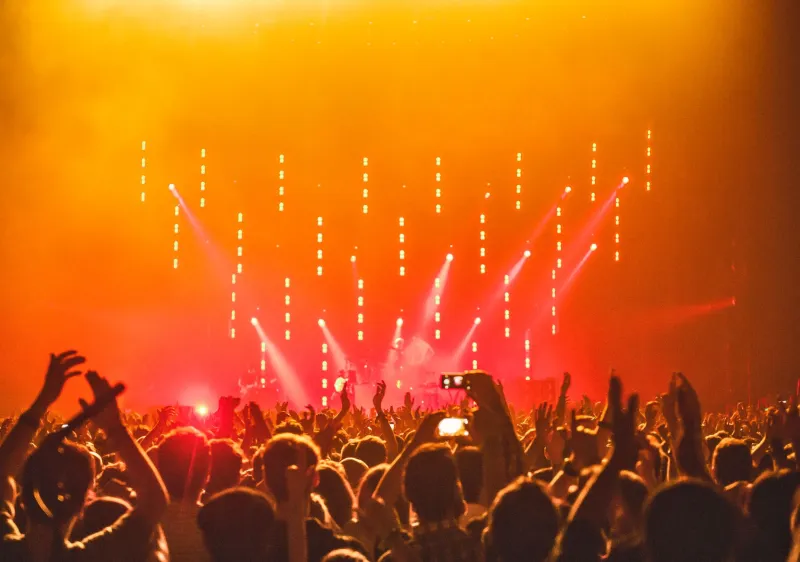
The Bar Is Now the Eras Tour and Every Other Concert Knows It
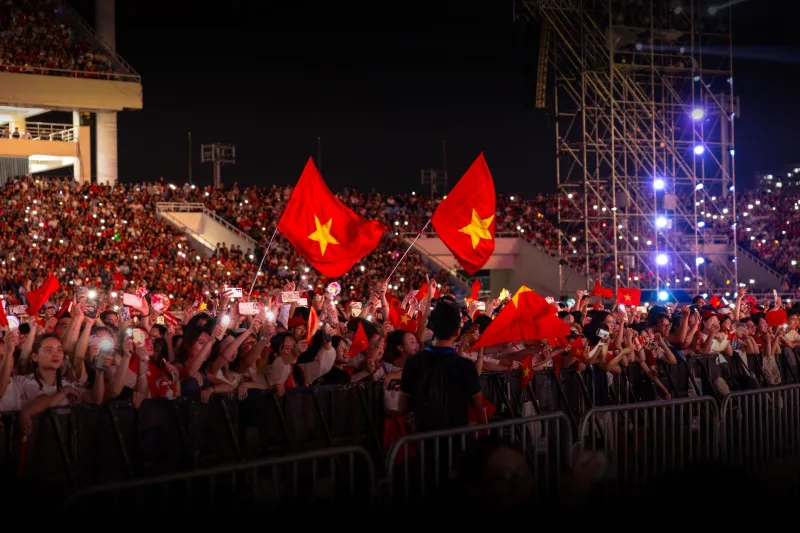
Something shifted in 2023 that we're still trying to put into words. It wasn't just a concert tour. It was a before-and-after moment for an entire industry — the kind where you can point to a specific thing and say, that's when the rules changed. Taylor Swift's Eras Tour did something that most blockbuster tours only dream of: it didn't just meet expectations. It obliterated the whole concept of what expectations were supposed to be.
And now? Everyone else has to live in that world.
From 'Going to a Show' to 'Attending a Moment'
For most of music history, a concert was a concert. You showed up, your favorite artist played their hits, maybe some deep cuts if you were lucky, and you went home with a blurry video on your phone and a $45 T-shirt. That was the deal. Nobody complained because nobody knew it could be different.
The Eras Tour quietly — and then very loudly — dismantled that understanding. What Swift delivered wasn't a setlist. It was a structured, chapter-by-chapter retrospective of an entire artistic identity. Costume changes that functioned as scene transitions. Stage designs that shifted the emotional register of the room. Surprise songs that turned every single night into something unrepeatable. The show ran over three hours and people still felt like it ended too soon.
That's not a concert. That's an experience economy product disguised as a concert. And audiences felt the difference in their bones.
Now fans don't just want to see their favorite artist perform — they want to witness something. They want the story arc. They want the theatrical scale. They want to leave feeling like they were part of a cultural event, not just a ticket-holder at a venue.
The Scramble to Catch Up
Other artists noticed. How could they not? The Eras Tour became a national conversation topic for people who weren't even attending. It generated billions in local economic activity. It had its own friendship bracelet subculture. It got a concert film that outperformed major Hollywood releases at the box office.
So what happens when Beyoncé, Sabrina Carpenter, Olivia Rodrigo, or any major touring act announces their next run? Fans show up to those announcements with Eras-shaped expectations already loaded. The comment sections fill with questions about production scale, setlist length, stage concepts, and whether there'll be 'eras' — actual thematic chapters — built into the show.
Some artists have leaned into this energy brilliantly. Beyoncé's Renaissance World Tour delivered its own kind of immersive spectacle, and the conversation around it borrowed a lot of the same language fans had developed talking about Eras. Others have quietly upgraded their production ambitions in ways that feel directly responsive to a newly educated audience.
But here's the uncomfortable truth nobody in the industry really wants to say out loud: most artists cannot afford to do what Taylor Swift did. The Eras Tour was a product of a very specific convergence — decades-deep catalog, a fanbase that functions more like a devoted community than a typical audience, and the kind of financial infrastructure that allows for a production budget that would make a Broadway producer dizzy. That's not replicable on demand.
What It Costs to Be 'Enough' Now
This is where the ripple effect gets complicated. When the ceiling rises, so does the floor — and that has real consequences for the economics of live music at every level.
Ticket prices were already a flashpoint before the Eras Tour. Dynamic pricing, service fees, and resale markups had been grinding fans down for years. But the post-Eras moment created an interesting tension: fans now expect more from a show and are increasingly vocal about what they're willing to pay for it. The math doesn't always work.
Smaller and mid-level artists are caught in a particularly rough spot. They're fielding audiences whose reference point for 'a great show' is now a three-and-a-half-hour stadium spectacle with multiple set pieces and a surprise acoustic interlude. A tight 75-minute club set — which, for the record, can be genuinely electric and meaningful — doesn't carry the same cultural weight in the current conversation, even if it absolutely should.
There's also the accessibility piece that doesn't get discussed enough. The Eras Tour was simultaneously one of the most talked-about events in recent memory and one of the most difficult to actually attend for a huge portion of fans. The Ticketmaster presale disaster became its own news cycle. Resale prices hit numbers that felt more like rent than entertainment. A lot of people experienced the Eras Tour entirely through their phones, watching friends' videos and reading recaps at midnight. That gap — between the cultural moment and the ability to physically be in it — is growing, not shrinking.
The New Fan Contract
What the Eras Tour really changed, underneath all the production conversation, is the emotional contract between fans and live performance. Audiences have always wanted to feel something at a show. But now they want to feel multiple things, in a specific sequence, across a carefully constructed emotional journey. They want the show to mean something beyond just 'this was fun.'
That's a beautiful ask, honestly. It reflects how seriously people take music and the artists they love. There's something genuinely moving about a generation of fans who want their concert experience to feel as intentional and layered as the albums they've been living inside.
But it also puts an enormous creative and financial pressure on artists who are already navigating an industry that makes it harder than ever to sustain a touring career. The demand for spectacle is real. The resources to deliver it are not evenly distributed.
What Comes Next
Live entertainment isn't going back. The Eras Tour didn't create the appetite for immersive, emotionally resonant shows — it just showed everyone what was possible when all the conditions aligned perfectly. That genie is out of the bottle.
What the industry does with that reality is the more interesting question. Do venues invest in infrastructure that allows for more ambitious productions? Do artists find creative ways to deliver 'the moment' without the nine-figure budget? Do fans recalibrate their expectations, or do they double down?
Probably some messy combination of all three. That's usually how cultural shifts actually land — not as a clean pivot, but as a long negotiation between what people want and what's actually possible.
For now, though, every artist stepping onto a stage in 2024 and beyond is performing in the shadow of a tour that changed what 'showing up' means. Some will rise to it. Some will find their own version of it. And some will remind us that a person, a microphone, and a room full of people who care can still be everything — no set changes required.
The bar is high. But maybe that's not the worst thing.