Unfollowed by Someone Who Never Followed Back: The Real Pain of a One-Sided Digital Goodbye

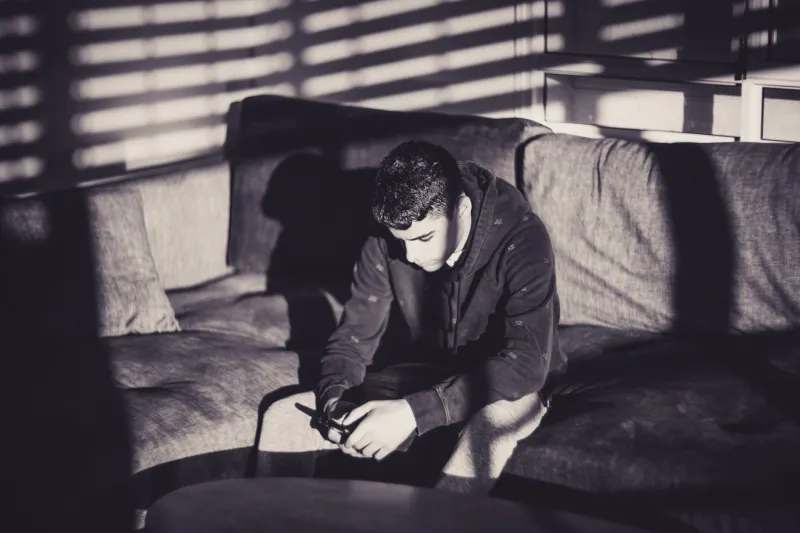
Photo by Photo by Jakub Żerdzicki on Unsplash on Unsplash
You open the app on a Tuesday morning, coffee in hand, ready for the usual routine. You go to their profile — the one you've been visiting so regularly it autofills before you even finish typing — and it's just... gone. Private. Deleted. Or worse, it's still there, but everything that made it theirs has been replaced by something unrecognizable. A pivot. A rebrand. A stranger wearing a familiar face.
And for a second, maybe longer than a second, it actually hurts.
If you've ever felt that sting and then immediately felt embarrassed about feeling it, you're not alone. And you're not being dramatic. What you experienced has a name — a parasocial breakup — and psychologists have been studying the mechanics of it for longer than TikTok has existed.
It's Not Weird. It's Actually Very Human.
Parasocial relationships — one-sided emotional bonds with media figures — were first identified back in the 1950s when researchers noticed that television viewers were forming genuine attachments to on-screen personalities. Fast forward seventy years and the phenomenon hasn't just continued; it's been turbocharged by algorithms that serve you the same person's face and voice every single day, often for years.
When you watch someone's daily vlogs, you learn their coffee order, their relationship drama, their childhood insecurities. You hear the way their voice changes when they're tired. You notice when they've been crying before they go on camera. That's intimacy, even if it's entirely one-directional. Your brain doesn't always know the difference between a relationship you're in and a relationship you're witnessing up close.
So when that person disappears? Your nervous system registers it as a real social loss. The grief response that kicks in isn't a malfunction. It's your brain doing exactly what it was designed to do.
How Different Generations Actually Process This
Here's where it gets interesting. Millennials who grew up watching YouTubers in the early 2010s tend to describe parasocial breakups with a kind of wistful nostalgia — like losing a college friend you'd drifted from. There's sadness, but also a recognition that things change. They've already processed the death of Vine, the implosion of Tumblr fandoms, the slow fade of blogs they loved.
Gen Z, on the other hand, has grown up inside a content ecosystem that never sleeps, never goes offline, and actively rewards creators for building deeper and deeper emotional access. The influencers they follow aren't just entertaining — they're present in a way that older media stars never were. When that presence disappears, the loss feels more acute, more personal. More like being ghosted than like watching a TV show get canceled.
And for younger Gen Z and Gen Alpha audiences, the line between creator and friend is genuinely blurred. They've grown up watching people their own age document their lives in real time. The idea that this person doesn't actually know them can feel almost abstract.
The Mirror Problem
Here's the uncomfortable part — and stick with it, because this is where it actually gets useful.
When we grieve a parasocial relationship, we're often not just grieving the person. We're grieving the version of ourselves that existed in relation to them. The one who looked forward to their uploads on Sunday evenings. The one who felt understood by someone who had never read a single comment you left. The one who, maybe, used that parasocial connection to fill a space that a real relationship wasn't filling.
That's not a criticism. It's a pattern worth paying attention to.
Researchers have found that people with stronger parasocial attachments often report feeling lonelier in their offline lives, or describe their real-world friendships as less emotionally satisfying. That doesn't mean watching creators is the cause of loneliness — the relationship is more complicated than that. But it does suggest that when a parasocial bond hits unusually hard, it might be worth asking what need it was quietly meeting.
Were you getting your daily dose of feeling known from someone's YouTube channel because getting it from the people around you felt too risky? Were you processing your own anxieties through a creator's mental health content because bringing those same feelings into a real conversation felt too exposed?
No judgment. Most of us have done some version of this.
The Grief Is Real. Now What?
First, let yourself feel it without shame. Minimizing the loss — it's just a YouTuber, get over it — doesn't make you more emotionally mature. It just makes you less honest about how modern connection actually works.
Second, get curious about it. Sit with the question: what did this person give me that I'm not getting elsewhere? Not to beat yourself up, but to get a clearer picture of what you might actually want from your real relationships. Sometimes a parasocial breakup is the weirdest, most roundabout invitation to reach out to a friend you've been meaning to call.
Third, remember that the creator you're grieving was always performing a version of themselves for an audience. The intimacy felt real because they were skilled at their job — and that's not a cynical thing to say. But the relationship you had with the real person? You never had that. What you had was something genuinely yours: your own experience of watching them, the comfort it brought you, the community you might have found around their work. Those things belonged to you. The breakup doesn't erase them.
And if it still stings a little? That's fine. It means you're someone who invests in the things that matter to you — even when those things turn out to be a little more complicated than they first appeared.